Events:
Cherry Blossom Forecast 2026
https://www.japan-guide.com/sakura/
https://n-kishou.com/corp/news-contents/sakura/?lang=en
https://sakura.weathermap.jp/ (Japanese version only)
https://tenki.jp/sakura/expectation/ (Japanese version only)
https://www.otenki.jp/sp/art/sakura/?pg=11 (Japanese version only)

when and where to see fall foliage(Japanese version only):
https://hanami.walkerplus.com/
https://sp.jorudan.co.jp/hanami/

Monday, March 5, 2012

Doll's Festival(3)

Chikugo-Yoshii Ohinasama Meguri(筑後吉井おひなさまめぐり) in Ukiha City, Fukuoka Prefecture is being held from February 10th to April 3rd.
Yame Bonbori Festival(八女ぼんぼりまつり) in Yame City, Fukuoka Prefecture is being held from February 11th to March 21st.
Izuka Doll's Festival(いいづか雛のまつり) in Izuka City(飯塚市), Fukuoka Prefecture is being from February 11th to March 21st.

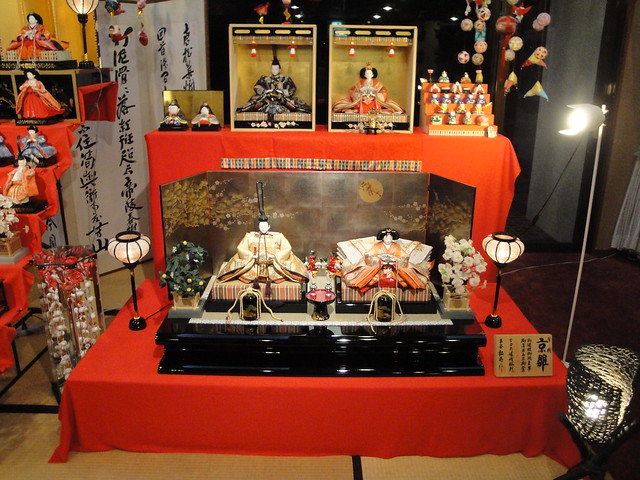
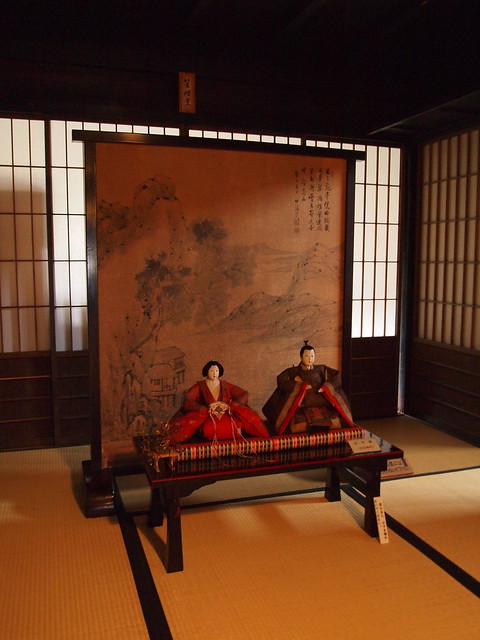
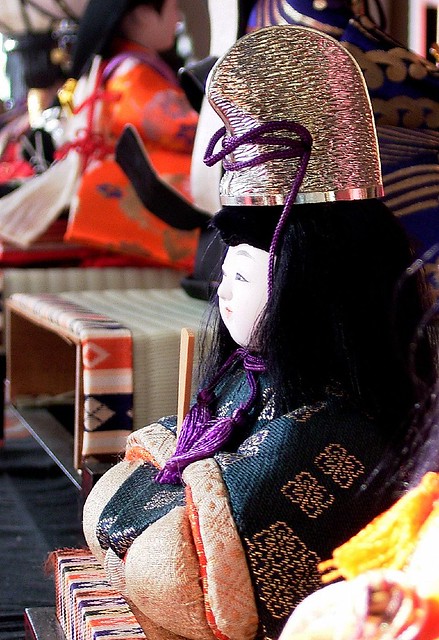
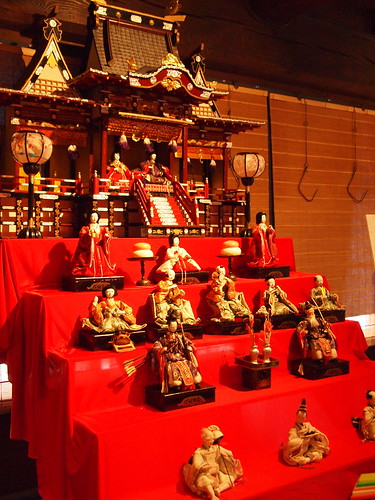
Boxed Hina dolls called Hako-bina(箱雛) were made in Chikugo area including Chikugo-Yoshii(筑後吉井), Yame(八女) in Kyushu Region. Some people say it started when wealthy people brought hina dolls home from Kyoto after placing them in a box and displayed boxed dolls in the Edo Period.


Photo by Yokaphoto.net
Hako-bina made in 1953 at the Yame festival

 
Photo by Yokaphoto.net
Hako-bina made in 1892 at the Yame festival


Photo by Yokaphoto.net
Hako-bina made in the Taisyo Period(1912-1926) at the Yame festival


Photo by Yokaphoto.net
Hako-bina at the Chikugo-Yoshii festival


人吉球磨ひなまつり
人吉球磨ひなまつり by alberth2 /flickr
Hako-bina at Hitoyoshi-kuma Doll's Festival in Kumamoto Prefecture


Raised cloth pictures called okiage(おきあげ) in Chikugo area are displayed together with hina dolls. Female samurai family members made the pictures as a side job in the Edo Period. They became common in ordinary houses after the Meiji Period.
okiage  in Chikugo-Yoshii

Padded pictures of hina dolls, kabuki actors and characters from fairy tales used to be made in Mizusawa(水沢) in Iwate Prefecture until around 1930. They are called Kukuri-bina(くくり雛) and date back to the Edo Period. 
Kukuri-bina in Mizusawa

Hako-bina and okiage at the Chikugo-Yoshii festival


Famous examples of hanging ornaments for the Doll Festival include Sagemon(さげもん) in Yanagawa City in Fukuoka Prefecture, Tsurushi-kazari(つるし飾り) in Inatori area in Shizuoka Prefecture and Kasafuku(傘福) in Sakata City in Yamagata Prefecure. 
The ornaments include drawstring pouches, paper and fabric ornaments in the shape of various auspicious objects.

Yanagawa Hinamatsuri Sagemon Meguri(柳川雛祭り さげもんめぐり) in Yanagawa City, Fukuoka Prefecture is being from February 11th to April 3rd.

sagemon near Yanagawa Station
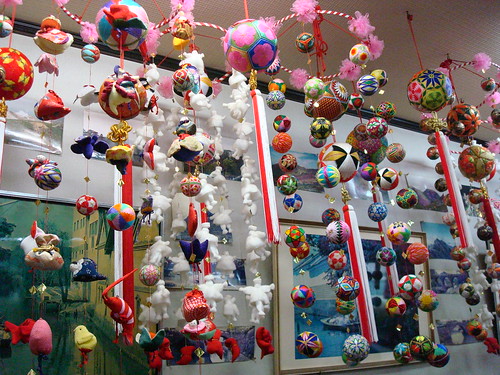
柳川車站前拉麵店
柳川車站前拉麵店 by alberth2 /flickr
sagemon in Yanagawa 


sagemon at Nishitetsu Tenzin Omuta Line Nishitetsu Yanagawa Station(西鉄柳川駅)
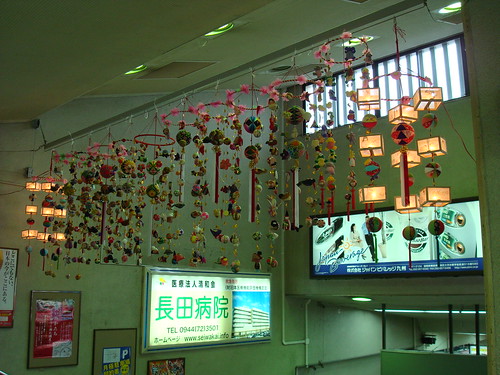
柳川車站
柳川車站 by alberth2 /flickr
sagemon at Yanagawa Station

sagemon at Nishitetsu Tenzin Omuta Line Nishitetsu Fukuoka (Tenjin) Station (西鉄福岡(天神)駅) 
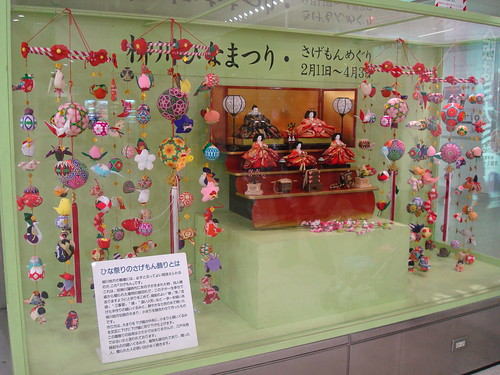
天神車站
天神車站 by alberth2 /flickr
sagemon at Fukuoka (Tenjin) Station

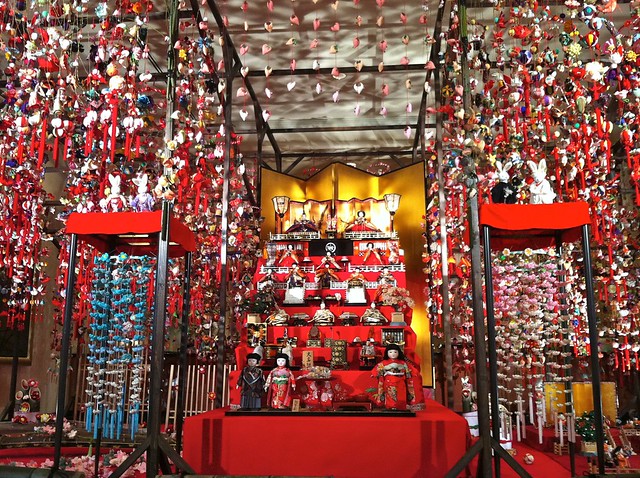
Tsurushi-kazari at the Associa Hotel in Nagoya
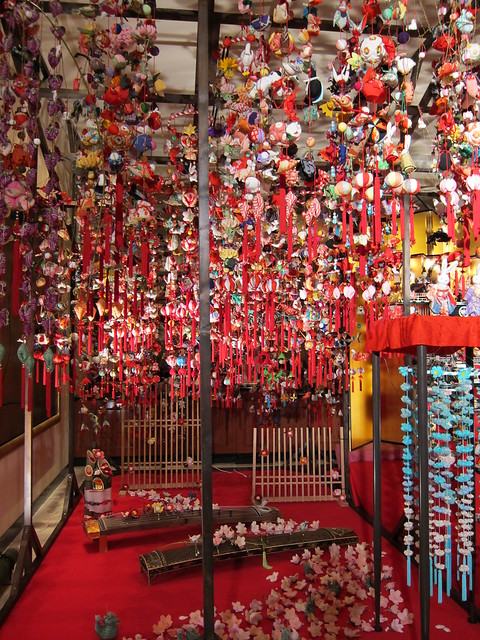
Tsurushi-bina
Tsurushi-bina by Yuya Tamai /flickr
Tsurushi-kazari in Nagoya


Elaborate Hina Matusuri Display
Elaborate Hina Matusuri Display by rumpleteaser /flickr
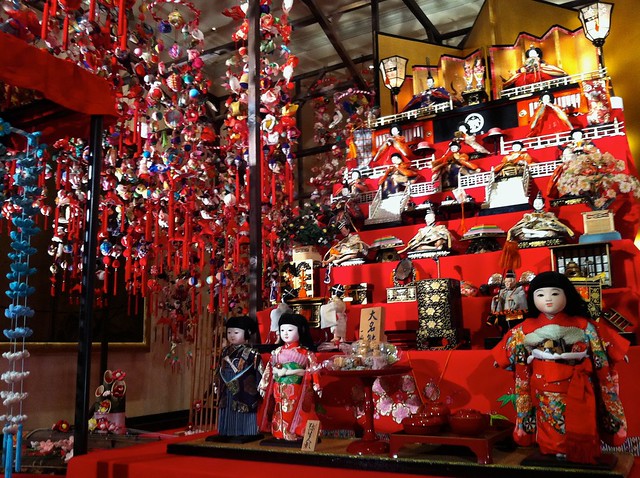
Tsurushi-kazari and hina dolls in Nagoya

Japanese Doll set for Hina Matsuri
Japanese Doll set for Hina Matsuri by rumpleteaser /flickr
Tsurushi-kazari, hinadolls and Ichimatsu dolls in Nagoya

Photo by Yokaphoto.net

At Sagemon Meguri  in Yanagawa, people dressed like hina dolls and children in traditional attire parade on the water in March every year.
The parade will be held on March 18th this year.

Photo by Yokaphoto.net

Photo by Yokaphoto.net


Photo by Yokaphoto.net


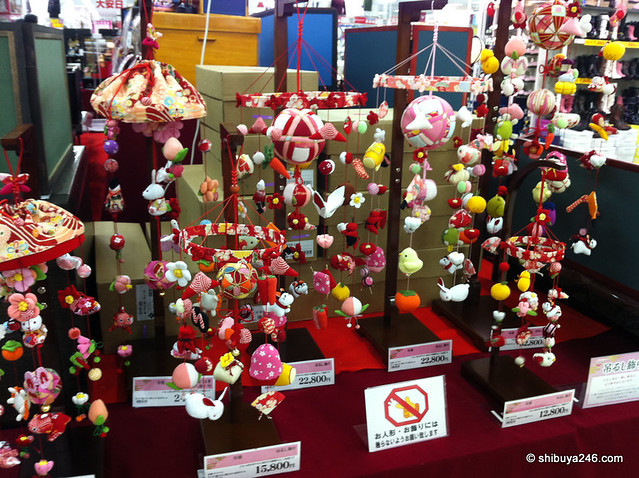
Hina Matsuri
Hina Matsuri by shibuya246 /flickr
Ready-made tsurushi-kazari


Ready-made tsurushi-kazari are sold.
Do-it-yourself kits for tsurushi-kazari  are also sold.


Katsuura Doll's Festival(勝浦ひなまつり)

tomisaki shrine
tomisaki shrine by Ali San /flickr
Katsuura Doll's Festival


Omi-hachiman City Museum(近江八幡市立資料館)

雛人形
雛人形 by Kentaro Ohno /flickr


kimekomi doll(木目込み人形) Head and body of a kimekomi doll are formed by placing mixture of paulownia wood powder and natural glue in wooden molds. The doll's body is grooved. Pieces of cloth for costume are tucked into grooves in the body.
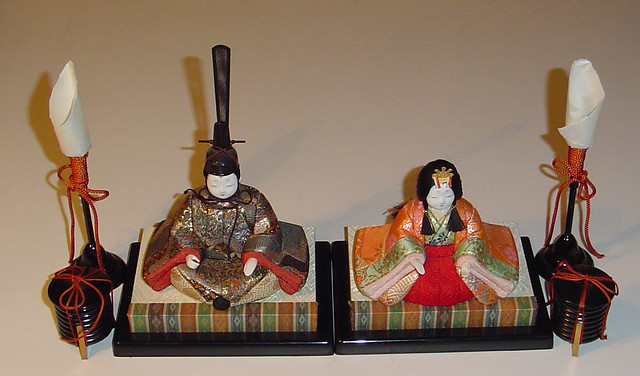
 ひな人形 (Hina-Ningyo/ Dolls) Japan Doll Festival
ひな人形 (Hina-Ningyo/ Dolls) Japan Doll Festival by born1945 /flickr
kimekomi hina dolls


hina doll : 雛人形
hina doll : 雛人形 by OpenCage /flickr
kimekomi hina doll


old empress by panina.anna /flickr


This old hina doll is the same as my grandmother's.

Sunday, March 4, 2012

Doll's Festival(2)

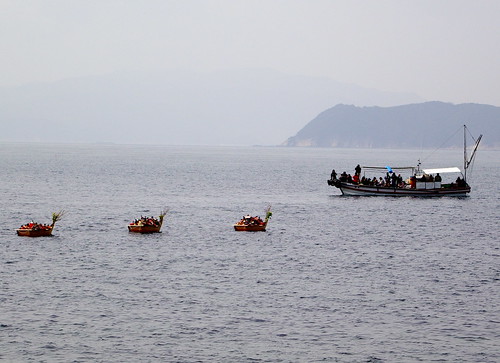
nagashi bina (floating hina dolls)

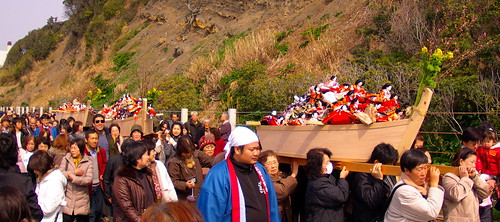
The Doll's Festival originated from the custom of floating katashiro(a small human-shaped sheet of paper) in rivers or the sea after transferring one's impurity to it by rubbing oneself with it. The custom is called nagashi bina. Even now this event is held in many areas.

Hina-nagashi(雛流し) is held at Awashima Jinja Shrine(淡嶋神社) in Wakayama Prefecture on March 3rd. Women float some small boats loaded with hina dolls down the sea. People say that those dolls are recovered and disposed because of environmental protection. Three boats loaded with about 600 hina dolls were floated this year.

Taking the 500m hike from the temple to the bridge
Taking the 500m hike from the temple to the bridge by enmoto /flickr


And a tourist boat comes by
And a tourist boat comes by by enmoto /flickr


IMG_2888 by holycalamity /flickr

tachi-bina (立雛, standing hina dolls)

Tachi-bina is thought to be a variation of katashiro.


Kyoho-bina(享保雛) are hina dolls that became popular in Kyoho era(1716-1735).
This type of the dolls were made even after the era.


Kyoho-bina made in the Edo Period in Chikugo-Yoshii, Fukuoka Prefecture
Photo by Yokaphoto.net

Kyoho-bina at Chikugo-Yoshii Ohinasama Meguri(筑後吉井おひなさまめぐり) in Ukiha City, Fukuoka Prefecture 

Kyoho-bina made in the Edo Period in  Chikugo-Yoshii, Fukuoka Prefecture
Photo by Yokaphoto.net

Kyoho-bina
Ohasama-machi(大迫町) in Hanamaki City, Iwate Prefecture


There are other types of hina dolls such as Jirozaemon-bina(次郎左衛門雛), Yusoku-bina(有職雛), kokin-bina(古今雛).


hina doll made in the Taisho Period(1912-1926) in Chikugo-Yoshii Photo by Yokaphoto.net

hina doll made in the Taisho Period(1912-1926) in Chikugo-Yoshii
Photo by Yokaphoto.net


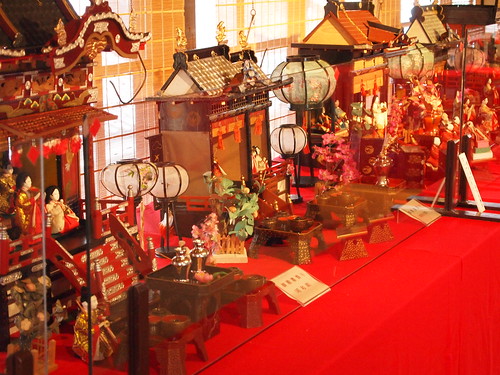
The emperor and empress dolls were placed in the imperial palace-like mansion modeled after an emperor's palace, and the three court ladies and the five musicians were displayed on the stairs or the garden in front of the two dolls.This tradition was often seen in some parts of the Kansai region including Kyoto until around 1960.

Chikugo-Yoshii Ohinasama Meguri(筑後吉井おひなさまめぐり)
 in Ukiha City, Fukuoka Prefecture
Photo by Yokaphoto.net

Chikugo-Yoshii Ohinasama Meguri(筑後吉井おひなさまめぐり)
Photo by Yokaphoto.net

Chikugo-Yoshii Ohinasama Meguri(筑後吉井おひなさまめぐり)
Photo by Yokaphoto.net

the Doll's Festival in Takayama (高山) in Gifu Prefecture

雛人形
雛人形 by Kentaro Ohno /flickr
Omi-hachiman City Museum(近江八幡市立資料館)


雛人形
雛人形 by Kentaro Ohno /flickr
Omi-hachiman City Museum(近江八幡市立資料館)


Clay hina dolls called Tsutsumi Ningyo(堤人形) in Sendai date back to the Kyouhou era (1716-1736).


clay hina dolls at the Doll's Festival in Takayama (高山) in Gifu Prefecture


living hina dolls in Takayama

Saturday, March 3, 2012

Doll's Festival(1)

March 3rd is the Japanese Doll's Festival or Girls' Festival called Hina Matsuri(雛祭り).

雛人形
雛人形 by dancingnomad3 /flickr


人吉球磨ひなまつり
人吉球磨ひなまつり by alberth2 /flickr

the Doll's Festival in Hitoyoshi-kuma(人吉球磨) area in Kumamoto Prefecture
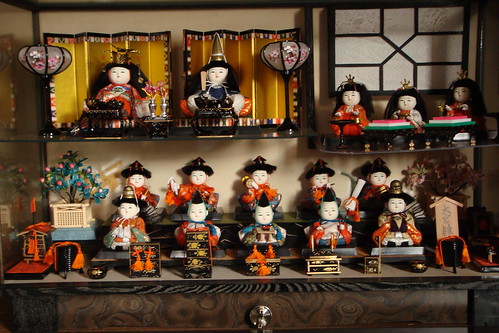
Families with girls started to display hina dolls at home. This custom started in the Edo Period. Recently, many Dolls' Festivals are held in various areas. Their towns are decoratied with their own distinctive hina dolls and ornaments.
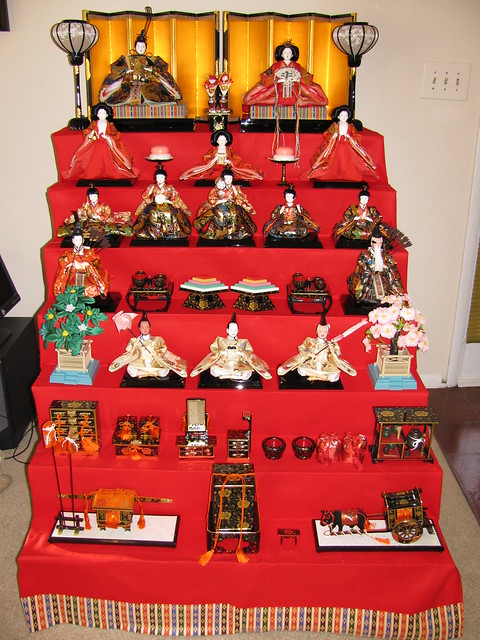
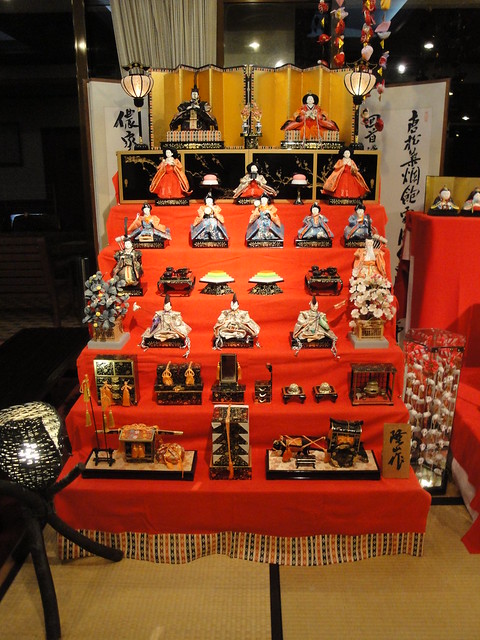
On the top shelf are emperor and empress.
On the second shelf are three court ladies. 
On the third shelf are five musicians.
On the fouth shelf are two ministers called sa-daijin(左大臣:Minister of the Left) and u-daijin(右大臣:Minister of the Right) and diamond-shaped rice cakes. The elderly man is sa-daijin.
On the fifth shelf are three servants holding shoes, a shrouded parasol and hat(in Kyoto, holding cleaning things) and mandarin orange tree and cherry tree.
On the sixth shelf are furniture and household goods including tansu(箪笥, chest),Hasami-bako(鋏箱) on nagamochi(長持,a large oblong chest),kyodai(鏡台,dressing table),hari-bako(針箱, needlework box),hibachi(火鉢,charcoal brazier),daisu(台子, a display stand for tea ceremony utensils).
On the seventh shelf are kago(駕籠,palanquin),ju-bako(重箱,tiered food boxes),Gosyo-guruma(御所車, court carriage).

daisu(台子)


ju-bako(重箱)


kago(駕籠)


Gosyo-guruma(御所車)
oxcart

P3018170.JPG
P3018170.JPG by Goran Zec /flickr


modern empress doll

P3018169.JPG
P3018169.JPG by Goran Zec /flickr


modern emperor doll


servant holding  a shrouded parasol


Photo by Yokaphoto.net


emperor and empress, three court ladies, two ministers


My hina dolls were the same as this set of hina dolls in a glass case.

Hina-Ningyō (Hina Dolls)
Hina-Ningyō (Hina Dolls) by Hyougushi /flickr
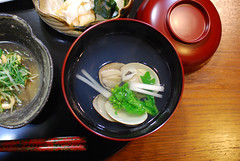
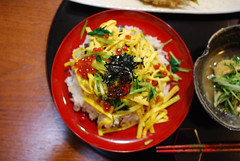
chirashizushi(sushi rice in a box or bowl with a variety of ingredients sprinkled on top) and a salt-based soup containing unshelled clams are standard dishes for the Doll's Festival.

hinamatsuri dishes-f04.jpg by midorisyu /flickr


hinamatsuri dishes-f02.jpg by midorisyu /flickr


the Girl's Festival by rok1966 /flickr

cake for the Doll Festival


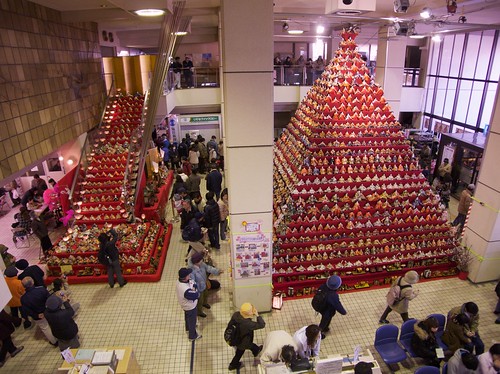
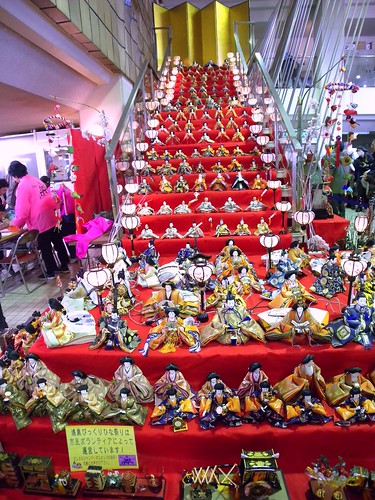
Hina dolls are being displayed at the City Konosu City Hall in Saitama Prefecture.
 
鴻巣市役所のおひな様
鴻巣市役所のおひな様 by onohiroki /flickr


鴻巣市役所のおひな様
鴻巣市役所のおひな様 by onohiroki /flickr