Nearly two months have passed since 2024 Noto earthquake occurred on this New Year's Day.
We do appreciate the kind offers of many countries.
We can't see the whole picture of damages by the earthquake yet.
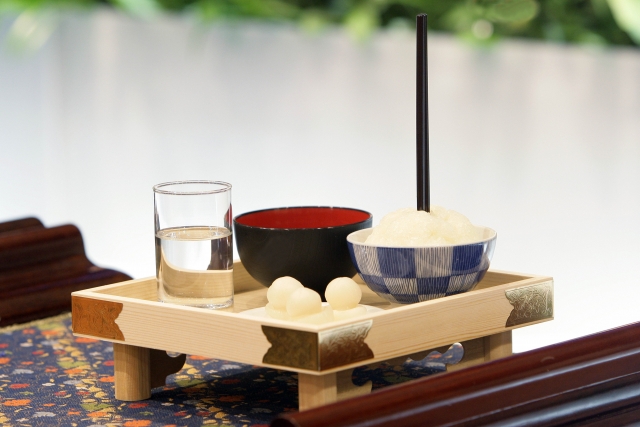
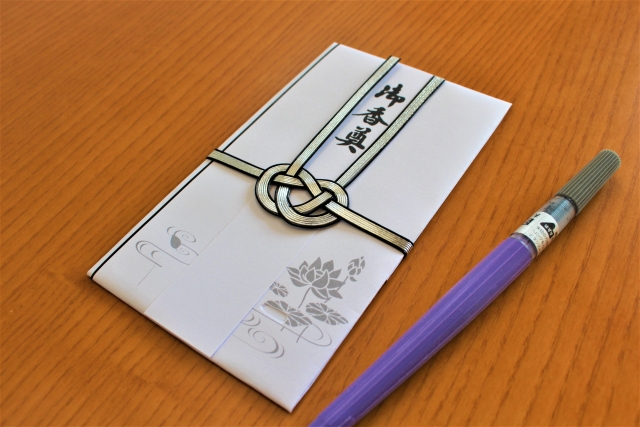
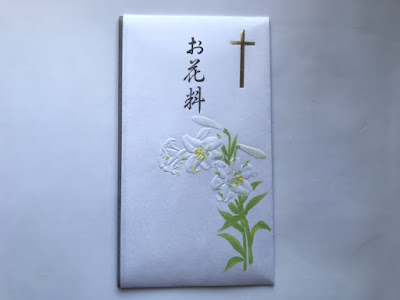
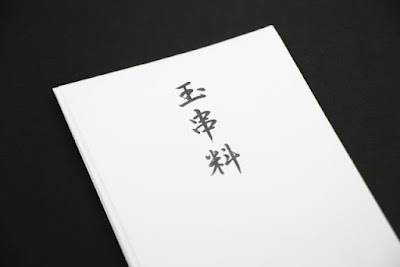
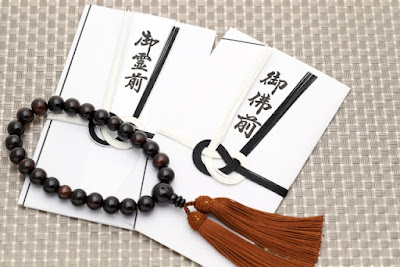
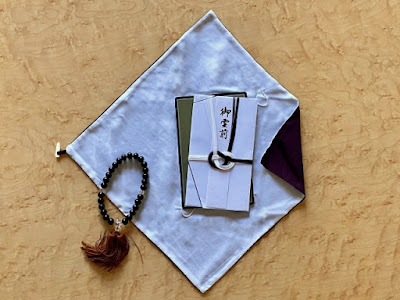
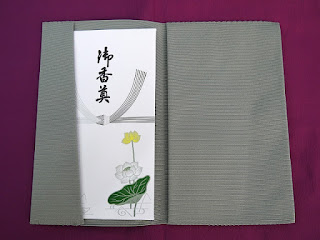
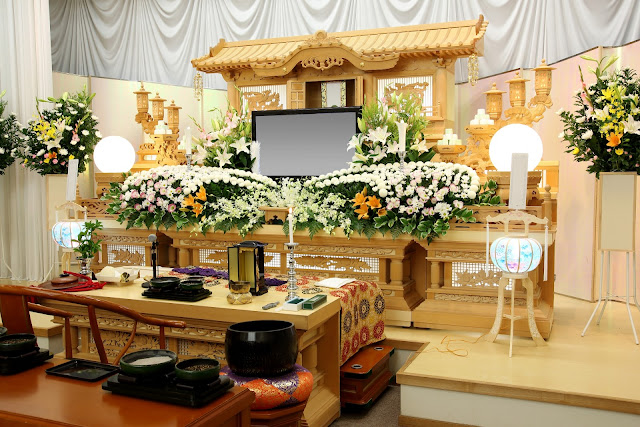
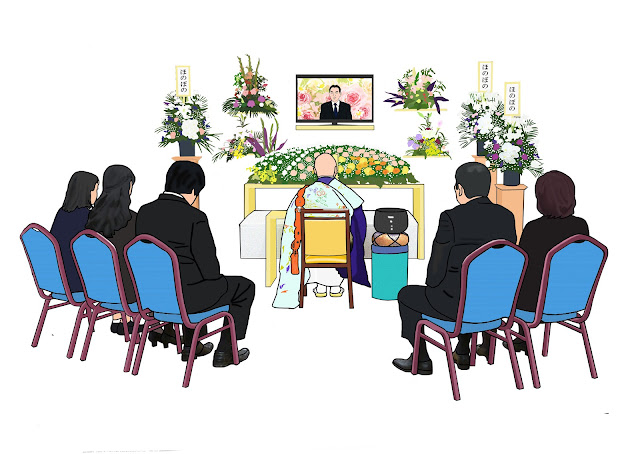
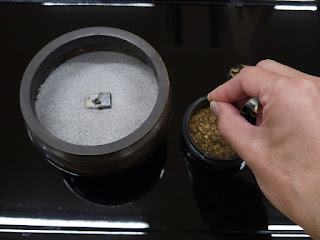
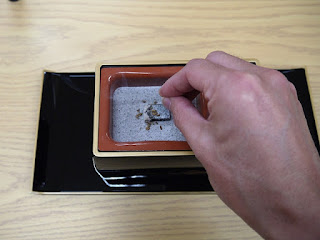
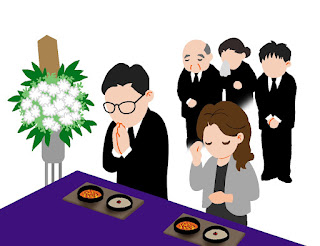
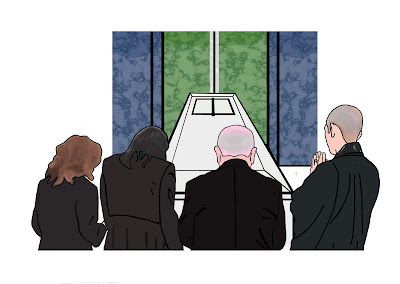
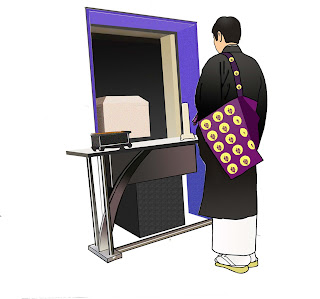
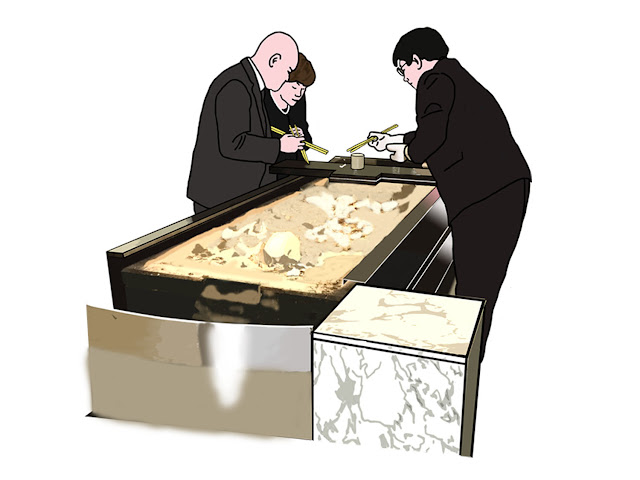
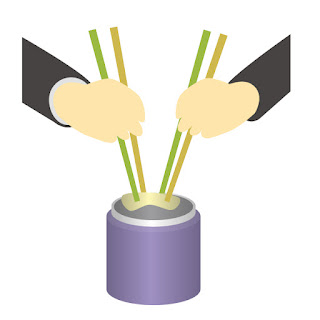
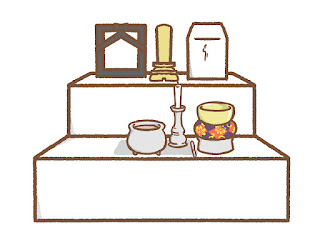
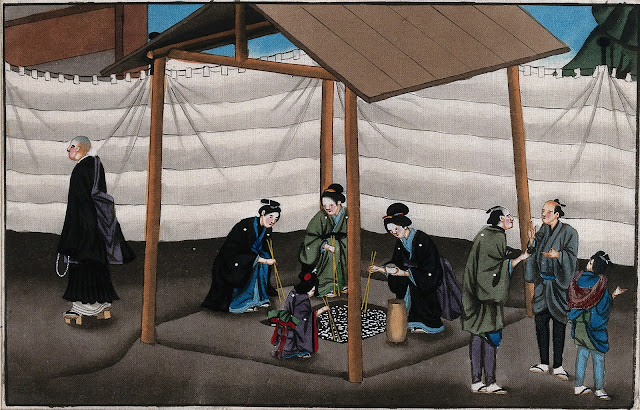
February 18 was the day when Buddhist memorial services marked the 49th day after death were held in the affected areas. It is thought that the souls of the dead alternate between the afterworld and this world during the seven weeks after death in most Buddhist sects. Most of them place the dead's ashes in their tombs on the day.
However, most temples in the affected areas remain damaged. Many tombstones, stone lanterns, shrine gates remain scattered. A temple in Wajima City held a memorial service marked the 49th day after death on Feb. 18. In kanazawa, chief priests of six temples in Suzu City jointly held memorial services.
On this New Year's Day I felt the house shake at my home, 300km away from the epicenter of the Noto earthquake.
New Year's Day is the most important and the most celebrated day in Japan. However the bereaved of the earthquake will never celebrate that day. New Year's Day in Japan is similar to Christmas. Family members gather for celebration. It caused a lot of tragedy. Some fathers lost their wives, mothers, fathers and children in 10s and 20s. Some of them are the only survivors of their families.
Compared to the 2011 Great East Japan earthquake, Noto's earthquake-damaged regions are small in area. But Noto's damage is as serious as that of the 2011 Tohoku earthquake. At first the government misread the situation. Earthquake swarm has occurred in the Noto Peninsula over the past few years, but they didn't do much damage to the area.
The roads have been destroyed, ground uplift interrupted maritime supply routes, therefore the peninsula became isolated. Rapid aging of the population amid extremely low birthrates are casting a dark shadow on the devastated areas. Ratio of elderly people at least 65 years old is 51.1% in Suzu City, 46.8% in Wajima City, two hard-hit cities.
As of Feb. 15, According to Ishikawa Prefecture, 241 people lost their lives, 9 are missing. As of Feb. 22, according to the Cabinet Office, the number of evacuees is 12293 in 498 declared shelters in Niigata and Ishikawa prefectures. The number of confirmed demolished or partially destroyed houses rose to 76257 in five prefectures. In Ishikawa Prefecture, 8520 houses were completely destroyed, 8935 were half destroyed, 24781 were partially destroyed. The earthquake caused damage to Ishikawa, Niigata, Toyama, Fukui, Nagano, Gifu Prefectures.
The earthquake caused 102 deaths in in Wajima City, 103 in Suzu City, 20 in Anamizu-machi, 8 in Noto-cho, 5 in Nanao City, 2 in Shika-machi, 1 in Hakui City.
damage situation of 2024 Noto Peninsula Earthquake by
The Hidenori Watanabe Laboratory which belongs to the Graduate School of Information Studies at the University of Tokyo:

1. ground uplift
Since some part of the Noto peninsula was raised, the sea bottom was raised 2-4 meters above sea level. So a 90km coastline from Shika-machi to Suzu City in Ishikawa Prefecture was moved maximum distances of 240m out to sea. Therefore 15 fishing ports along the coastline have not worked. They have to be constructed from scratch. Only one quay wall can be used at Wajima Port. About 200 fishing boats in the ports can't put out to sea. Common ships could not land on the ports along the coastline, and only Japanese navy's hovercrafts could do. On Jan. 4, heavy machinery and emergency relief goods were at long last landed using the hovercrafts.
More than 169 fishing boats were capsized or stranded in Ishikawa, Toyama, Niigata, Fukui prefectures. Fifty-eight of 69 fishing ports were damaged in Ishikawa Prefecture. A few fishing boats are shipping out fish in the Noto Peninsula.
Hokuriku Regional Development Bureau started dredging operations to secure the water depth to move or land ships at Wajima Port on Feb. 24.

2. tsunami
The first tsunami(4 meters in height) was estimated to arrive in some areas of Suzu City one minute after the earthquake. Tsunami height was not measured accurately at Wajima Port. The height is recorded by calculating sea surface height change, but the sea surface disappeared due to ground uplift. Tsunami arrived in Toyama Prefecture 90km away from Suzu City three minutes after the earthquake. It is presumed that that tsunami was caused by seafloor slide. The total area of the wet surface is 190 hectares(1,900,000㎡) in Suzu City, Noto-cho, Shika-machi in Ishikawa Prefecture.
Most residents and non-residents went to higher ground shortly after the quake. Most of those who failed to escape survived.
A 67-year-old man and his 3 granddaughters were going to the higher ground shortly after the quake, the tsunami rushed toward them. They burst into a back shed, but tsunami rushed in the shed. Two granddaughters came to the surface to breathe by themselves. The grandpa groped for other granddaughter. Though she was unconscious, she came back to life with his artificial respiration.
A car passed close by an elder woman using a walking cane. The driver swung back toward her and picked her up. Tsunami rushed in the road shortly after he started to drive.
Two people died of tsunami. A 54-year-old man was going to return home on the route to a shelter. His family members arrived safely at the shelter. A-79-year-old man who suffered cerebral infarction a few years ago and his son were going to evacuate to a shelter, but tsunami hit them. His son found himself alone.
A 97-year-old man soaked by tsunami died from hypothermia or freezing temperatures while waiting for rescue.
Tsunami hit a lot of houses.
The earthquake caused liquefaction in Niigata, Toyama, Ishikawa, Fukui prefectures.
Ground liquefaction damaged over 10000 houses in wet(ex-river), sandy soils of Ishikawa, Toyama, Niigata prefecture. Dozens of houses were completely destroyed by ground liquefaction.
4. collapse by shaking
Some people got out of their houses to look around soon after the first magnitude 7.3 earthquake occurred. After 13 seconds the second magnitude 7.3 earthquake squashed houses like a pancake. The Japanese intensity scale has 10 levels going from 0 to 7 (5 and 6 are divided into "weak" and "strong"). The second earthquake had a seismic intensity of 7 in some areas. There are still the old houses remaining along the street in the Noto Peninsula. The townscape with old wooden houses is beautiful, but they are not earthquake-proof buildings. Earthquake swarm may have damaged old wooden houses little by little. Suzu City has been hit by series of earthquakes with seismic intensity 6 lower in 2022, 6 upper in 2023, 6 upper in 2024.
Some hospital buildings with earthquake-resistant structure were damaged with falling ceiling or scattering things by the quake. A hospital's main building with base isolators had no damage, without so much as scattering things. However, the base isolators are expensive.
As of Jan. 31, According to the National Police Agency, 92 people of 222 deaths were crushed to death, 49 were choked to death and died from respiratory failure, 32 died from hypothermia and freezing temperatures, 28 died from wound shock, 3 were burned to death, and 6 died due to other causes of death including crush syndrome. No one got drowned. The other 12 people died from some unknown cause. Ninety-eight people were found in Wajima City, 95 in Suzu City. Victims aged 60 and older make up 67% of all deaths.
The fire department has received too many calls for help to handle. Dozens of victims waiting for rescue under the rubble died from hypothermia and freezing temperatures. Rescuers give priority to survivors who can answer rescuer's call. An elderly woman could make no reply to rescuers, and she was received a low priority. She was rescued a few days later but died soon.
On Jan. 6, a 93-year-old woman whose left foot was stuck in the rubble was rescued from the rubble in Suzu City 124 hours after the quake. Unfortunately, the condition of her left foot had deteriorated and died on Feb. 8. Her son said, "It comforted me that we could have a talk while in the hospital."
A 47-year-old woman and his father entered a new year together. She made traditional New Year's food and set them in three-tiered food boxes on New Year's Eve. Her daughter intended to come from Tokyo in the evening of Jan. 1. She works for a hotel. She said to him before she left, "Don't eat the food in the boxes." He often sneaked food. She was going to eat the New Year's food with him and her daughter. On New Year's Day she was at work in another area and couldn't get her home. In the evening of the next day, one of her childhood friend told her that He was found dead. She is searching for her family memorabilia from building rubble. She found two of three-tiered food boxes, but the one box is still missing. An old acquaintance said to her, "I would imagine that he ate the food in the box in heaven."
Some sets of shogi pieces(koma) found in a collapsed house in Suzu City were used at one of the eight major tournaments. Shogi is known as Japanese chess. The owner of the pieces had offered them to the tournament every year. His wife was found dead in the collapsed house.
A seven-story building laid on its side in Wajima City. Experts say strong vertical-shaking pulled up the stakes by pulling whole the building up, and strong horizontal-shaking toppled it over sideways. A soft-ground potentially contributed to its collapse. The detail of the bulding's collapse will be figured out.
The building crushed a izakaya(Japanese-style bar and restaurant), and a 48-year-old woman and a 19-year-old woman were crushed to death. A 55-year-old man who is their husband and father is searching for his family memorabilia from building rubble every day. He found his watch as a birthday present from her wife and her daughter's smartphone.
The survivors are still searching for their family memorabilia from building rubble.
However, more than 50 buildings in danger of collapse is due to be urgently demolished in Suzu City. On Feb. 26, the local government started to dismantle one of them.